Growing through adversity: The Madikwe Berry story
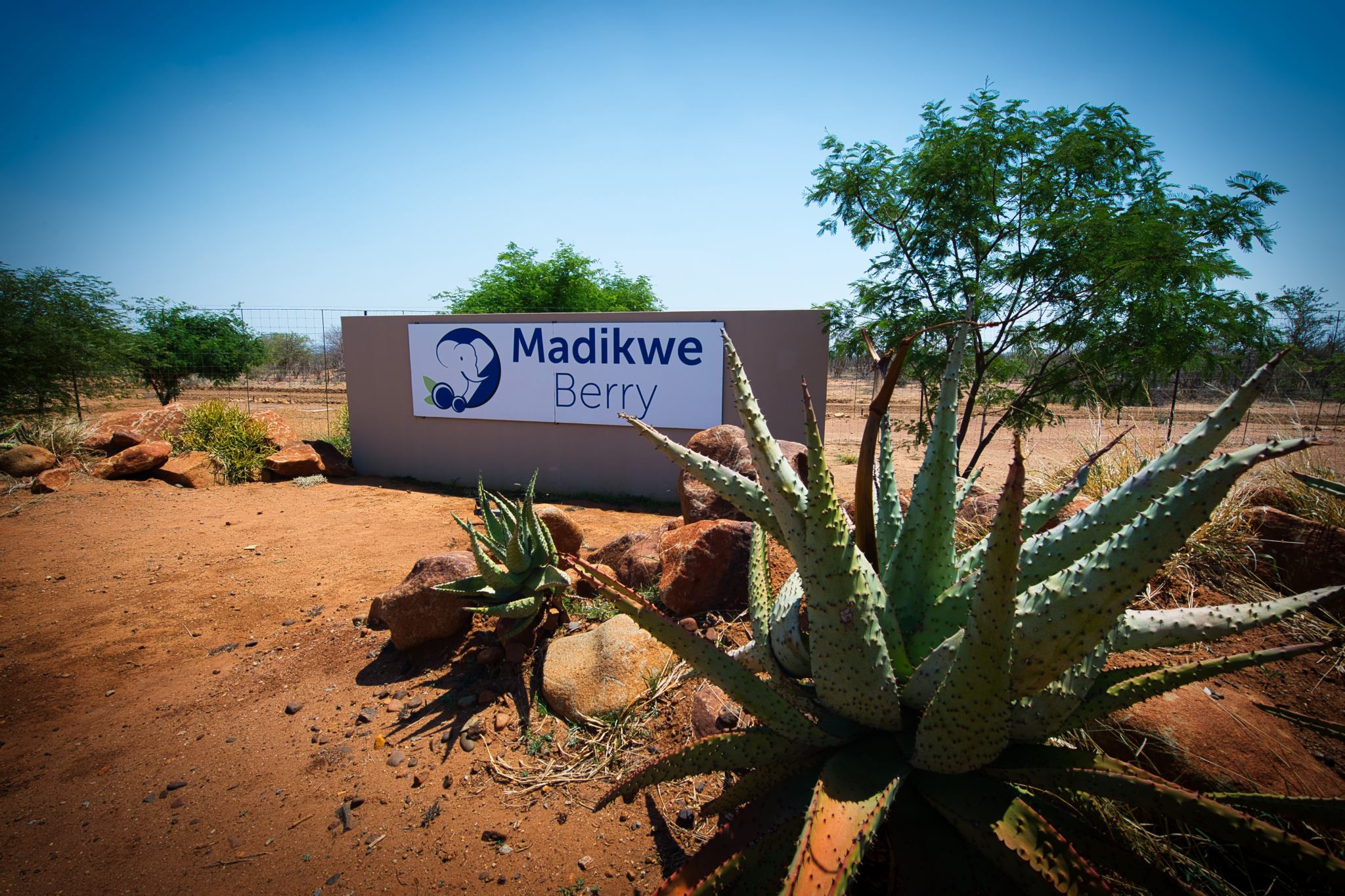
In a remote, conservation-linked landscape near the Madikwe Game Reserve in the North West Province, Madikwe Berry stands as a reminder that entrepreneurship is rarely linear and that building a viable business in a fragile ecosystem requires patience, discipline and adaptability.
Madikwe Berry is a modern blueberry farming and packhouse operation established on a small piece of land within a broader conservation-focused property. Its founders set out to prove that world-class commercial agriculture could coexist with environmental stewardship and deliver tangible benefits to surrounding rural communities.
The project took root more than two decades ago. In the early 2000s, a lucerne farming venture occupied the land that would later become Madikwe Berry. While moderately successful, the model could not generate the scale of economic activity or employment needed to sustain the property long term. The strategic pivot came with the decision to pursue an intensive, high-value crop that could deliver more substantial returns from limited land, without expanding agriculture deeper into conservation areas.
By 2016 and 2017, blueberries showed budding potential. The crop offered the promise of high yields on a small footprint, aligning commercial viability with conservation priorities.
The socio-economic realities of the surrounding villages strongly shaped the enterprise’s purpose. The area is rural, with limited formal employment opportunities and high levels of poverty. As the project evolved, it became evident that many employees, particularly women, had never held formal jobs before. Today, the operation employs 50 permanent staff and scales up to around 600 workers during peak seasons, supporting about 400 households through direct income. For many families, this translates into stability, dignity and greater participation in the local economy.
Like many agricultural ventures, Madikwe Berry’s journey has not been without setbacks. Early challenges included underestimating frost risk and navigating the steep learning curve associated with varietal selection and site-specific production strategies. Over time, the operation invested heavily in systems, data and continuous learning, particularly regarding frost protection. These lessons, though costly, have become central to strengthening long-term resilience, and Madikwe Berry is now well-positioned to deliver training through the Madikwe Berry Agric Academy.
The Madikwe Berry Agric Academy manages the full training lifecycle, from course design to facilitation and assessment. The programme combines structured theoretical modules including agricultural business management and marketing, with intensive practical modules.
Last year, the academy expanded its training offering and, with the support of the Jobs Fund, launched a linked enterprise development initiative: the Bee Farming project.
The project was approved to equip 100 beekeepers and 167 assistants with the skills and resources required to participate meaningfully in bee farming and honey production, creating an additional pathway for job creation and income generation beyond the farm. To support this objective, the programme now includes modules focused on hive management, honey processing, and health and safety compliance.
Participants are assessed at the end of each module to ensure mastery of both technical knowledge and applied skills. To date, 144 new jobs have been created and 229 beneficiaries have been trained, including 100 beekeepers and 129 assistants, moving the project steadily toward its anticipated outcomes.
The training is currently non-accredited, but the academy has applied for accreditation with AgriSETA.
Once accredited, beneficiaries will receive fully recognised qualifications, strengthening their employability and the sustainability of their enterprises. Accreditation will significantly enhance the programme’s long-term value. Beyond the scope of the Jobs Fund project, the academy is also positioned to serve as a regional hub for ongoing agricultural training. Quality and accountability are embedded through a structured adjudication process that includes regular internal reviews and periodic external audits to assess compliance, training effectiveness and participant progress. These mechanisms help ensure that skills development translates into viable micro-enterprises rather than once-off participation.
For Madikwe Berry’s leadership, the most meaningful outcome has been creating a serious base of emerging entrepreneurs, while recognising that enterprise development requires patience and that not every participant will succeed. To embed sustainability in agricultural projects, you also need to support complementary projects.
Having addressed many of its early production hurdles, Madikwe Berry aims to become one of South Africa’s leading blueberry farms over the next decade. At the same time, it remains committed to deepening its relationship with the Jobs Fund and exploring future partnerships once both the berry operation and the bee enterprise programme are fully stabilised.
As CEO Andrew Torr reflects, the lesson for entrepreneurs seeking to balance commercial, social and environmental purpose is straightforward: success is built through people, teamwork and persistence. Or, as he says, “Be brave, be patient and build a strong team. The opportunities open up once you have done the hard part properly.”